
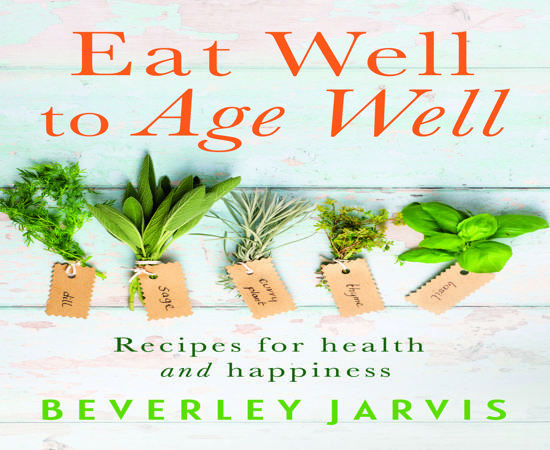
eat well to age well: A Guide to Healthy Aging
As we grow older, it becomes increasingly important to pay attention to what we eat in order to maintain our health and well-being. The phrase “Eat Well to Age Well” encapsulates the idea that our diet plays a crucial role in how we age. In this blog post, we will explore the importance of eating well for healthy aging, the benefits it offers, and address some common questions about this concept.
The Benefits of Eating Well to Age Well
When it comes to aging gracefully, a nutritious diet is key. Eating a well-balanced diet rich in fruits, vegetables, whole grains, lean proteins, and healthy fats can help stave off age-related diseases and keep us feeling our best. Some benefits of eating well to age well include:
- Improved immune function
- Increased energy levels
- Better cardiovascular health
- Enhanced cognitive function
- Reduced risk of chronic diseases
Frequently Asked Questions About Eating Well to Age Well
1. What is the concept behind “Eat Well to Age Well“?
The concept of “Eat Well to Age Well” emphasizes the importance of consuming a nutrient-dense diet to support healthy aging. By fueling our bodies with the right nutrients, we can maintain our health and vitality as we get older.
2. How can I incorporate this concept into my daily life?
To integrate the idea of eating well to age well into your daily routine, focus on consuming a variety of whole foods, limiting processed foods and sugary drinks, and staying hydrated. Making small, sustainable changes to your diet can have a big impact on your overall health.
3. Are there any resources available to learn more about this topic?
If you’re interested in delving deeper into the principles of eating well to age well, consider checking out the book “Eat Well to Age Well.” This comprehensive guide offers valuable insights and practical tips for optimizing your diet for healthy aging.
4. What are some common misconceptions about eating well to age well?
One common misconception is that healthy eating has to be bland or boring. In reality, there are countless delicious and nutritious foods that can support your health as you age. Another misconception is that eating well to age well is only relevant for older adults. In truth, the habits we cultivate around food at any age can impact our long-term health.
5. How important is hydration in the context of healthy aging?
Staying well-hydrated is essential for healthy aging. Adequate hydration supports digestion, circulation, and cognitive function, among other vital bodily processes. Make sure to drink plenty of water throughout the day and aim to incorporate hydrating foods like fruits and vegetables into your diet.
Conclusion
Embracing the concept of “Eat Well to Age Well” is a powerful step towards optimizing your health and well-being as you grow older. By prioritizing a nutrient-rich diet, you can support your body’s longevity and vitality. Remember, it’s never too late to start making positive changes to your eating habits and reap the benefits of healthy aging.